

BẠN ĐANG TÌM KIẾM GÌ?
OCác nhà sản xuất thiết bị gốc (OEM) và nhà nhập khẩu trên toàn thế giới thường phải đối mặt với một thách thức chung khi mua các sản phẩm đúc hợp kim nhôm không tiêu chuẩn: các bộ phận có cấu trúc độc đáo, không có sẵn các bộ phận tiêu chuẩn trên thị trường, và việc phát triển tùy chỉnh phải bắt đầu từ bản vẽ. Quá trình này bao gồm lựa chọn quy trình, thiết kế khuôn, kiểm tra mẫu và tăng tốc sản xuất hàng loạt; bất kỳ sự gián đoạn nào ở bất kỳ giai đoạn nào cũng có thể dẫn đến chậm trễ giao hàng và vượt chi phí.
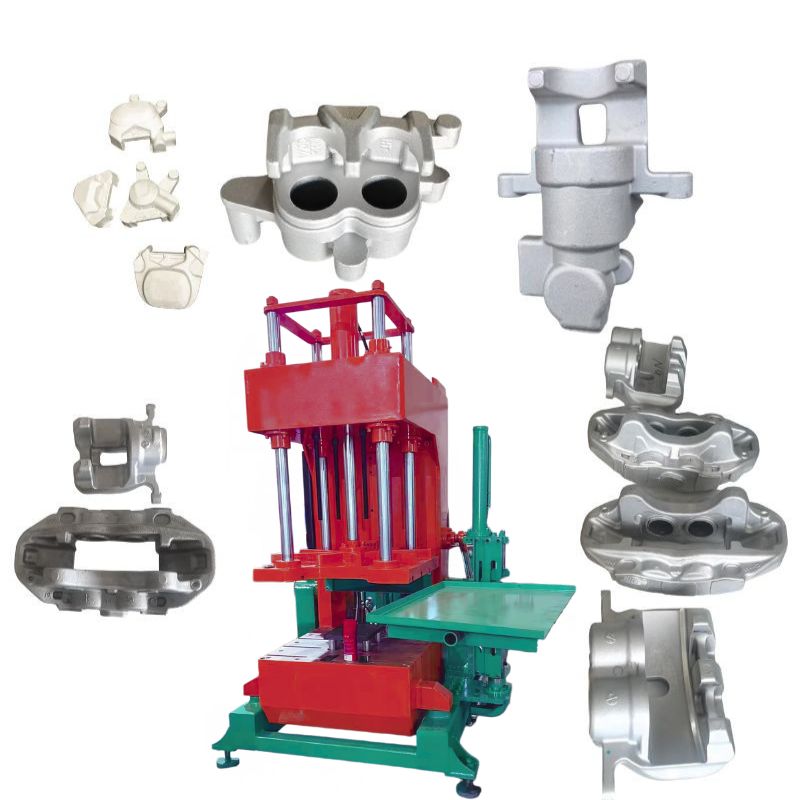
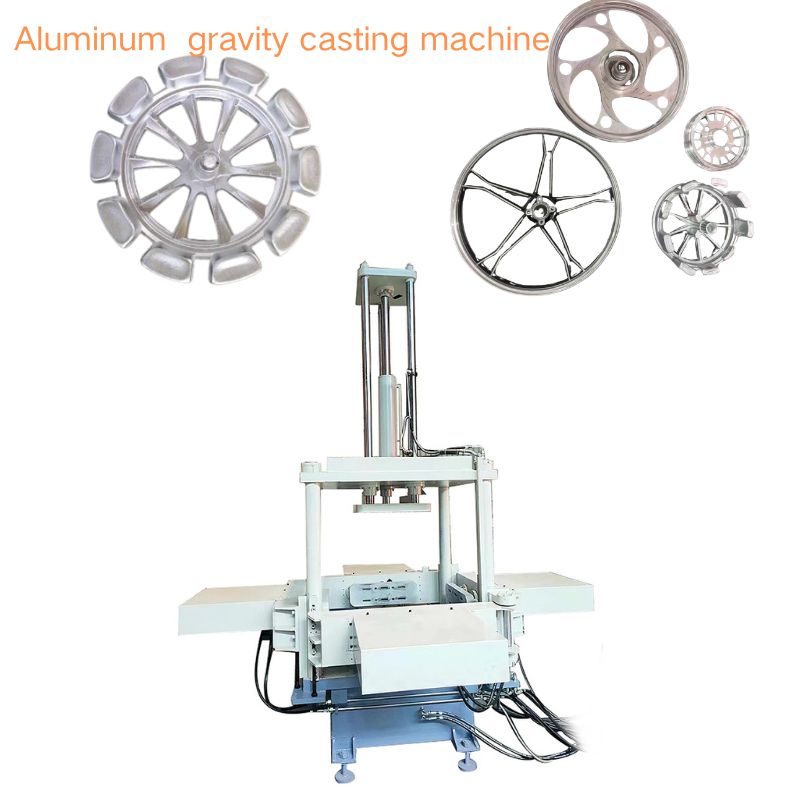
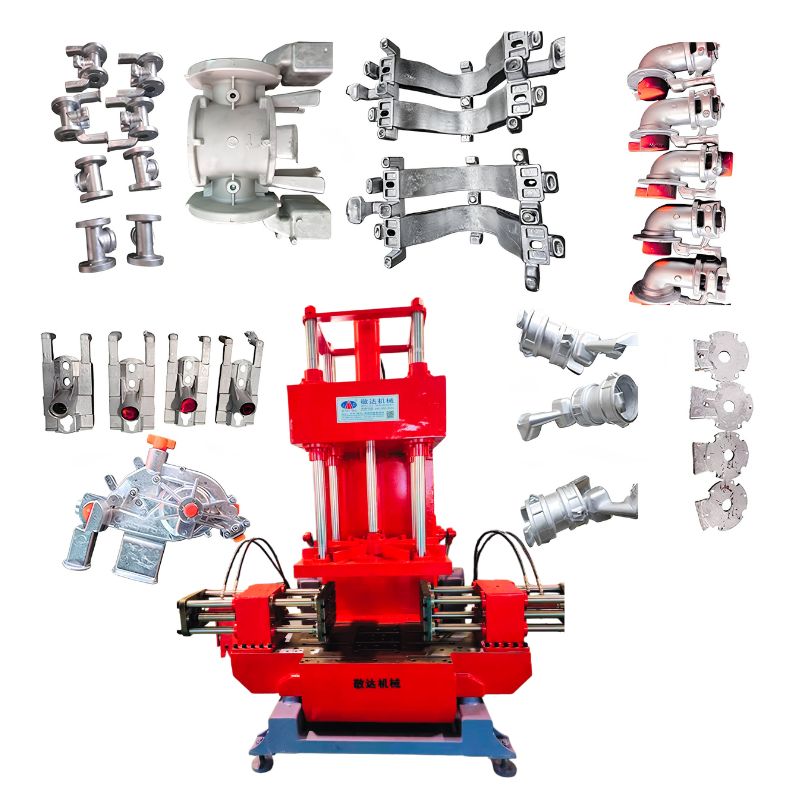
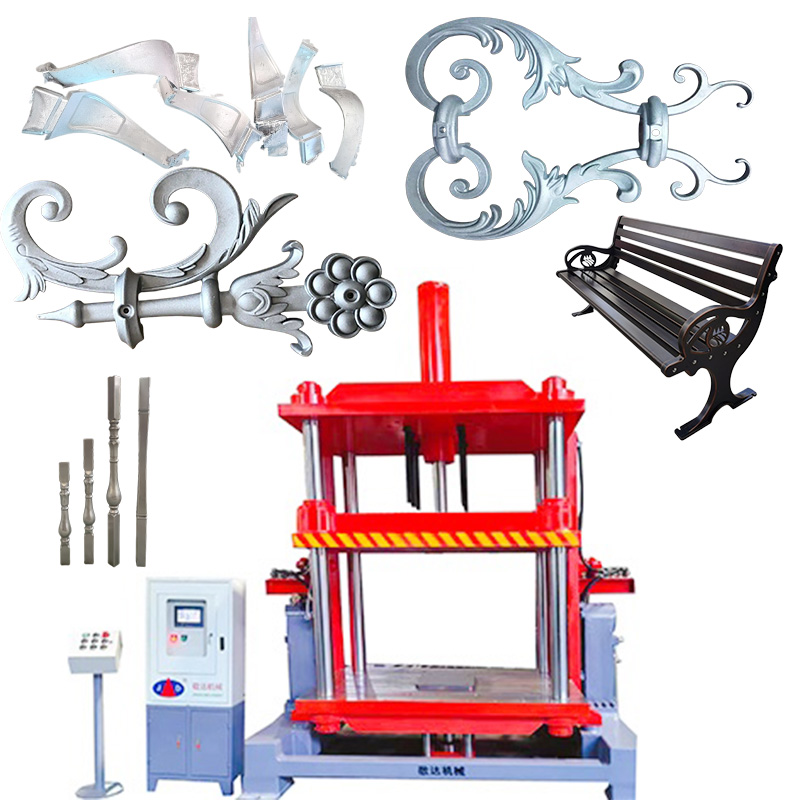
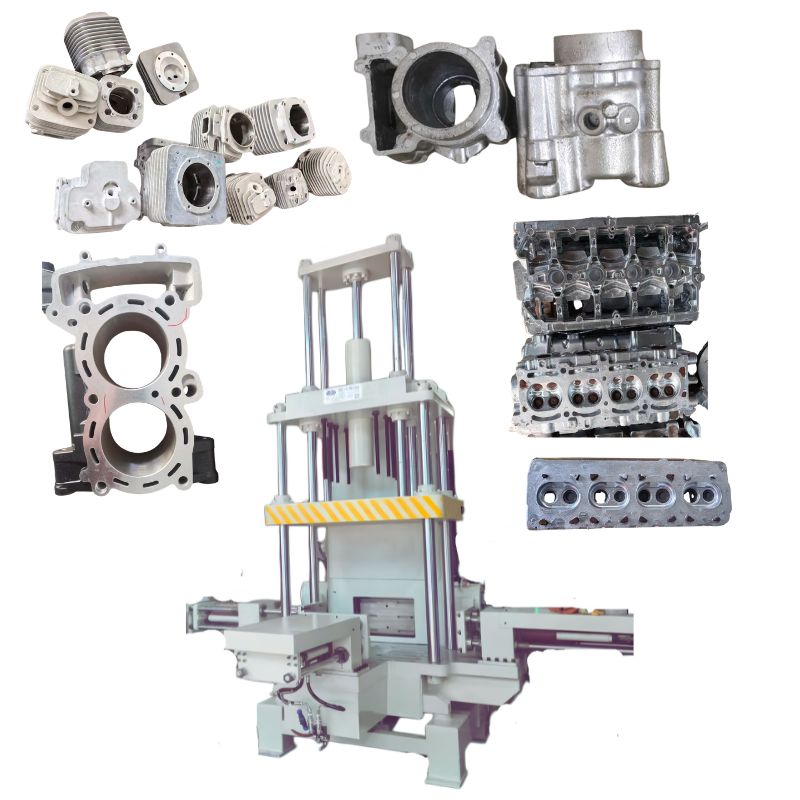
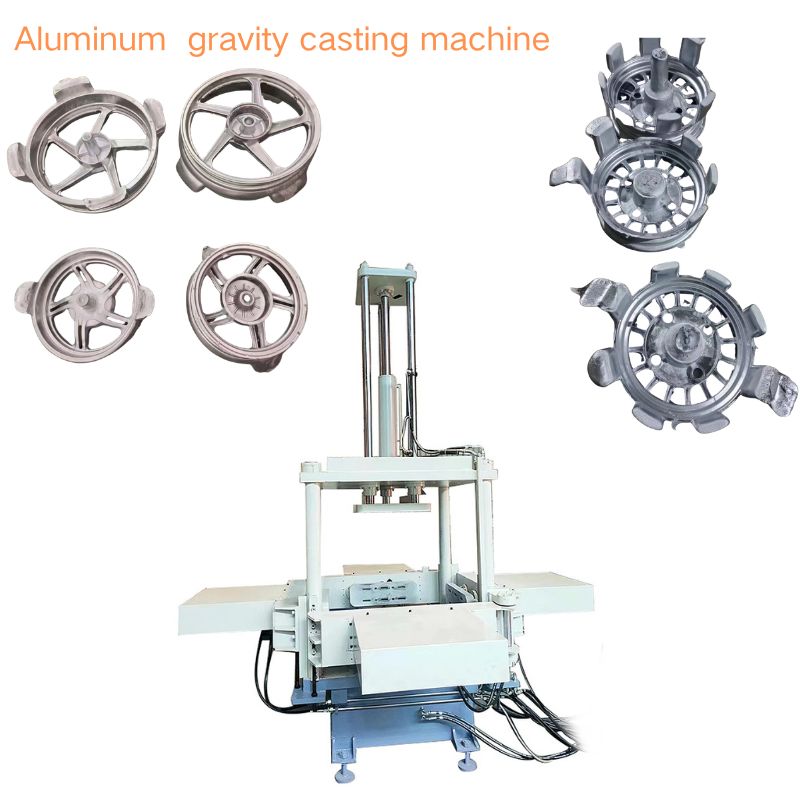
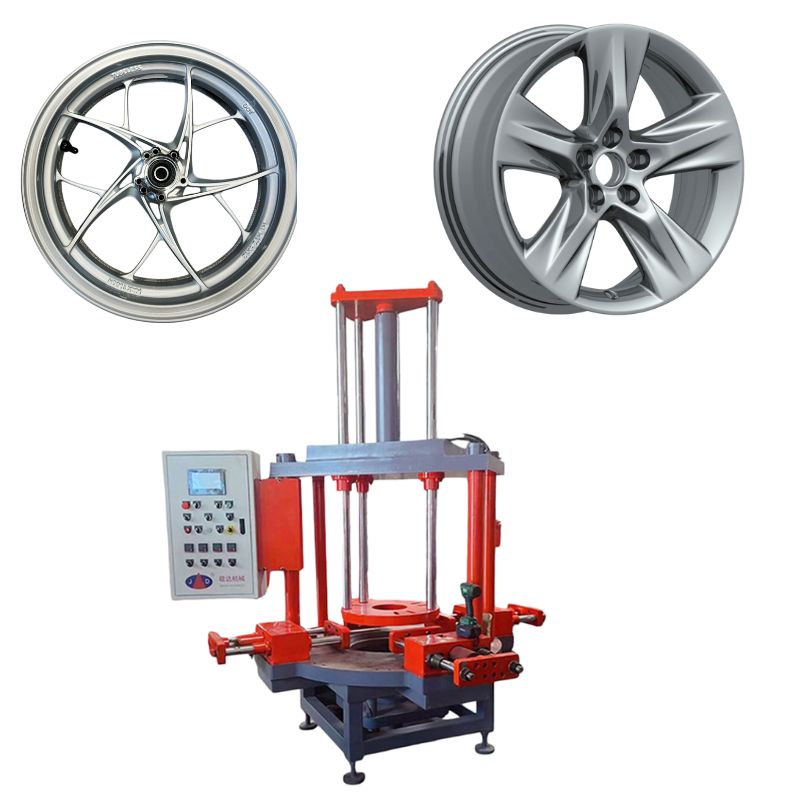
Là một nhà máy chuyên sản xuất các sản phẩm đúc hợp kim nhôm bằng phương pháp đúc trọng lực, chúng tôi xử lý một lượng lớn đơn đặt hàng tùy chỉnh các sản phẩm đúc hợp kim nhôm phi tiêu chuẩn hàng năm. Sau đây là những điểm cốt lõi cần xem xét khi mua các sản phẩm đúc phi tiêu chuẩn từ ba khía cạnh: quy trình phát triển, sự phù hợp của quy trình và đảm bảo chất lượng.
I. Quy trình phát triển và các cột mốc quan trọng của các sản phẩm đúc không tiêu chuẩn Việc phát triển các sản phẩm đúc hợp kim nhôm không tiêu chuẩn thường bao gồm bốn giai đoạn, mỗi giai đoạn đều có những điểm rủi ro dễ bị bỏ qua.
Giai đoạn xem xét bản vẽ. Nhóm kỹ thuật đánh giá cấu trúc chi tiết từ góc độ quy trình đúc – liệu góc thoát phôi có hợp lý không, độ dày thành có chuyển tiếp đồng đều không và vị trí cổng rót được thiết lập như thế nào. Nhà cung cấp hợp kim nhôm đúc chuyên nghiệp sẽ đưa ra các đề xuất tối ưu hóa thiết kế trong giai đoạn báo giá để giúp khách hàng cải thiện khả năng đúc và giảm chi phí khuôn, thay vì chờ đến giai đoạn đúc thử nghiệm mới phát hiện ra vấn đề.
Giai đoạn thiết kế và chế tạo khuôn: Việc chế tạo khuôn nội bộ hay thuê ngoài ảnh hưởng trực tiếp đến tiến độ và tốc độ sửa chữa khuôn sau này. Đối với các sản phẩm đúc hợp kim nhôm chính xác và các chi tiết có yêu cầu độ kín khí, độ chính xác của khuôn và thiết kế hệ thống thông hơi đặc biệt quan trọng.
Giai đoạn sản xuất và kiểm định mẫu: Các mẫu thử nghiệm được kèm theo báo cáo kiểm tra kích thước và chứng nhận vật liệu. Sau khi khách hàng kiểm định và xác nhận, quá trình sản xuất hàng loạt bắt đầu. Hiệu quả hợp tác ở giai đoạn này phản ánh chiều sâu kỹ thuật của nhà cung cấp trong việc phát triển các sản phẩm đúc hợp kim nhôm phi tiêu chuẩn.
Giai đoạn tăng tốc sản xuất hàng loạt: Việc chuyển từ khuôn mẫu thử nghiệm sang khuôn sản xuất hàng loạt đòi hỏi phải đảm bảo chất lượng đúc ổn định.
II. Lựa chọn quy trình phù hợp: Đúc trọng lực so với đúc áp suất thấp Cấu trúc của các sản phẩm đúc hợp kim nhôm không tiêu chuẩn rất đa dạng, và không có quy trình nào phù hợp cho tất cả các chi tiết.
Trường hợp lựa chọn phương pháp đúc trọng lực. Đối với các chi tiết yêu cầu các kênh dẫn dòng phức tạp được tạo ra bằng phương pháp đúc lõi cát hoặc có yêu cầu về độ kín khí, việc đổ đầy trơn tru của phương pháp đúc trọng lực đối với hợp kim nhôm giúp giảm độ rỗ bên trong, giảm thiểu tác động lên lõi cát và mang lại tỷ lệ đạt yêu cầu cao hơn trong các thử nghiệm độ kín khí. Quy trình này thường được sử dụng cho các bộ phận chức năng như thân van thủy lực, vỏ bơm và các bộ phận khí nén.
Đối với phương pháp đúc áp suất thấp, khi các chi tiết có hình dạng vỏ hoặc nắp với thành mỏng, việc điền đầy bằng áp suất đảm bảo độ bền vững tốt của thành mỏng và hiệu quả sử dụng vật liệu cao. Quy trình này thường được sử dụng cho các chi tiết như vỏ động cơ và vỏ biến tần.
Đối với các chi tiết đúc bằng hợp kim nhôm và một số cấu kiện kết cấu, việc đánh giá dựa trên bản vẽ cụ thể là cần thiết. Là một nhà máy có khả năng thực hiện cả hai quy trình, chúng tôi khuyến nghị các giải pháp dựa trên đặc điểm của từng chi tiết, thay vì sử dụng một quy trình duy nhất phù hợp với tất cả các sản phẩm.
III. Đảm bảo độ kín khí: Một quy trình khép kín hoàn chỉnh từ đúc đến kiểm tra Nhiều chi tiết đúc hợp kim nhôm—đặc biệt là các bộ phận chức năng như thân van và vỏ bơm—có các yêu cầu cụ thể về độ kín khí. Một chi tiết bị rò rỉ chỉ sau khi gia công không chỉ gây lãng phí chi phí đúc mà còn có thể làm chậm quá trình lắp ráp toàn bộ máy móc.
Đảm bảo độ kín khí cần được thực hiện qua hai giai đoạn. Ở giai đoạn đúc, việc điền đầy ổn định khuôn đúc trọng lực giúp khí thoát ra dễ dàng, giảm thiểu các khuyết tật rỗ khí bên trong. Ở giai đoạn kiểm tra, việc kiểm tra áp suất không khí hoặc thủy lực được tiến hành trước khi giao hàng theo tiêu chuẩn của khách hàng – việc này có thể được thực hiện từng sản phẩm hoặc lấy mẫu ngẫu nhiên. Nhà máy của chúng tôi lưu trữ dữ liệu kiểm tra cho mỗi lô hàng và cung cấp cho khách hàng cùng với báo cáo chất lượng.
Đối với các sản phẩm đúc chính xác bằng hợp kim nhôm có yêu cầu độ kín khí cao hơn nữa, có thể thực hiện xử lý tẩm sau khi đúc để bịt kín thêm các lỗ nhỏ li ti.
IV. Gia công CNC và Giao hàng trọn gói Khách hàng nước ngoài thích các nhà cung cấp giao các bộ phận hoàn thiện đã được gia công CNC và sẵn sàng để lắp ráp trực tiếp, hơn là các sản phẩm đúc thô cần gia công riêng.
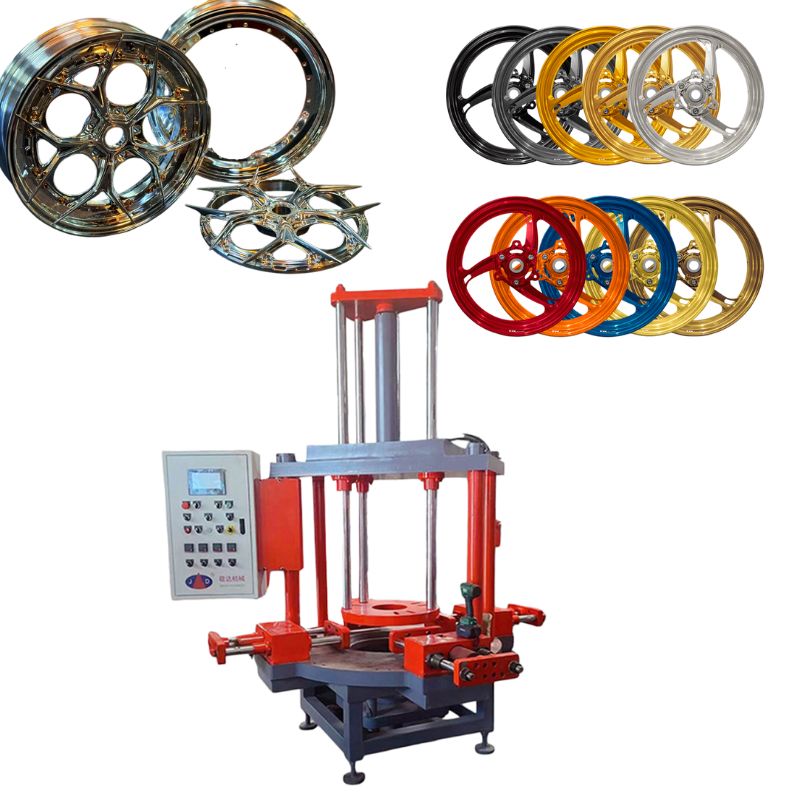
Chúng tôi cung cấp dịch vụ gia công trọn gói từ phôi hợp kim nhôm thô đến thành phẩm: các trung tâm gia công đa trục thực hiện khoan, taro, phay, doa và các quy trình khác; các phương pháp xử lý bề mặt như anod hóa và sơn tĩnh điện được cung cấp tùy thuộc vào môi trường sử dụng; và kiểm tra độ kín khí được thực hiện trên các bộ phận có yêu cầu về áp suất trước khi giao hàng. Quá trình đúc và gia công được hoàn thành trong cùng một nhà máy, đảm bảo trách nhiệm chất lượng thống nhất và loại bỏ nhu cầu khách hàng phải phối hợp với nhiều nhà cung cấp khác nhau.
V. Cung ứng linh hoạt theo lô nhỏ và lớn Nhu cầu về các sản phẩm đúc hợp kim nhôm phi tiêu chuẩn rất khác nhau – việc kiểm định sản phẩm mới có thể chỉ cần vài chục chi tiết, trong khi sản xuất hàng loạt có thể lên đến hàng nghìn chi tiết mỗi tháng. Chúng tôi hỗ trợ hai phương thức: đối với sản xuất theo lô nhỏ, chúng tôi sử dụng khuôn mẫu để kiểm soát nguyên liệu đầu vào, và sau khi sản xuất thử nghiệm và xác nhận, chúng tôi chuyển sang khuôn sản xuất hàng loạt; đối với sản xuất theo lô lớn, chúng tôi sử dụng các thiết bị đúc tự động và gia công CNC để đảm bảo thời gian chu kỳ và tính nhất quán. Đối với các khách hàng thương mại có nhu cầu đa dạng, sản xuất theo lô nhỏ, chúng tôi có thể lên lịch sản xuất một cách linh hoạt.
Phần kết luận
Là một nhà máy chuyên về đúc trọng lực hợp kim nhôm, chúng tôi cung cấp cho các nhà sản xuất thiết bị gốc (OEM) và các công ty thương mại nước ngoài dịch vụ tùy chỉnh toàn diện, từ đúc trọng lực đến đúc chính xác, hỗ trợ cung ứng linh hoạt cả số lượng nhỏ và lớn dựa trên bản vẽ và mẫu.