

BẠN ĐANG TÌM KIẾM GÌ?
Quy trình sản xuất đúc nhôm
Các sản phẩm đúc nhôm được sử dụng rộng rãi trong ngành ô tô, hàng không vũ trụ, sản xuất máy móc và nhiều lĩnh vực khác nhờ trọng lượng nhẹ, độ bền cao và khả năng chống ăn mòn tốt. Quy trình sản xuất các sản phẩm đúc nhôm bao gồm một số bước quan trọng, mỗi bước đều có vai trò thiết yếu và ảnh hưởng trực tiếp đến chất lượng và hiệu suất của sản phẩm.
I. Lựa chọn nguyên liệu và luyện kim
Bước đầu tiên trong sản xuất các sản phẩm đúc nhôm là lựa chọn vật liệu hợp kim nhôm phù hợp. Các hợp kim nhôm phổ biến bao gồm hợp kim nhôm-silicon và hợp kim nhôm-đồng. Việc lựa chọn cụ thể phụ thuộc vào yêu cầu ứng dụng của sản phẩm đúc. Tiếp theo, các thỏi nhôm và các nguyên tố hợp kim được cho vào lò điện theo tỷ lệ thích hợp để nấu chảy, với nhiệt độ thường được kiểm soát trong khoảng 700–750°C. Trong quá trình nấu chảy, các oxit và tạp chất trong nhôm nóng chảy cần được loại bỏ. Các chất tinh chế và thiết bị khử khí thường được sử dụng để đảm bảo độ tinh khiết của nhôm nóng chảy.
II. Thiết kế và chế tạo khuôn mẫu
Khuôn là yếu tố then chốt trong việc tạo hình các sản phẩm đúc nhôm. Dựa trên hình dạng và yêu cầu kích thước của sản phẩm đúc, các kỹ sư sử dụng phần mềm thiết kế để tạo ra bản vẽ khuôn và tiến hành gia công khuôn. Vật liệu làm khuôn thường là thép, có khả năng chống mài mòn và ổn định nhiệt tốt. Trong khuôn, cần phải chừa lại dung sai co ngót để bù lại sự co thể tích xảy ra khi nhôm nóng chảy đông đặc.
III. Quy trình đúc
Các phương pháp tạo hình chính cho vật đúc nhôm bao gồm đúc khuôn cát, đúc trọng lực và đúc áp lực.
Đúc khuôn cát: Nhôm nóng chảy được rót vào khuôn cát và tạo thành vật đúc sau khi nguội. Phương pháp này có chi phí thấp và phù hợp cho các vật đúc lớn và sản xuất theo lô nhỏ.
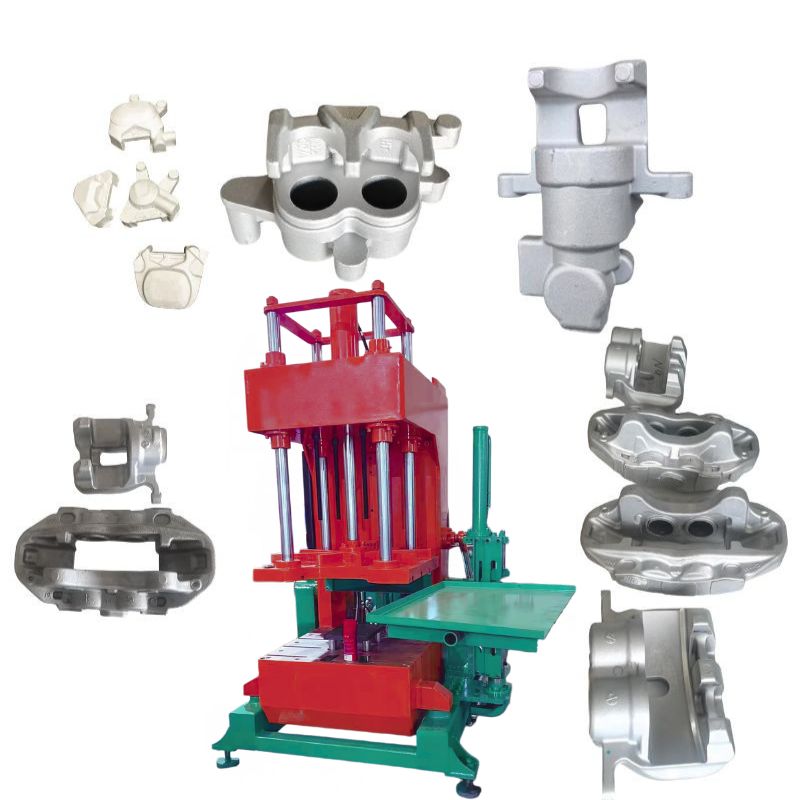
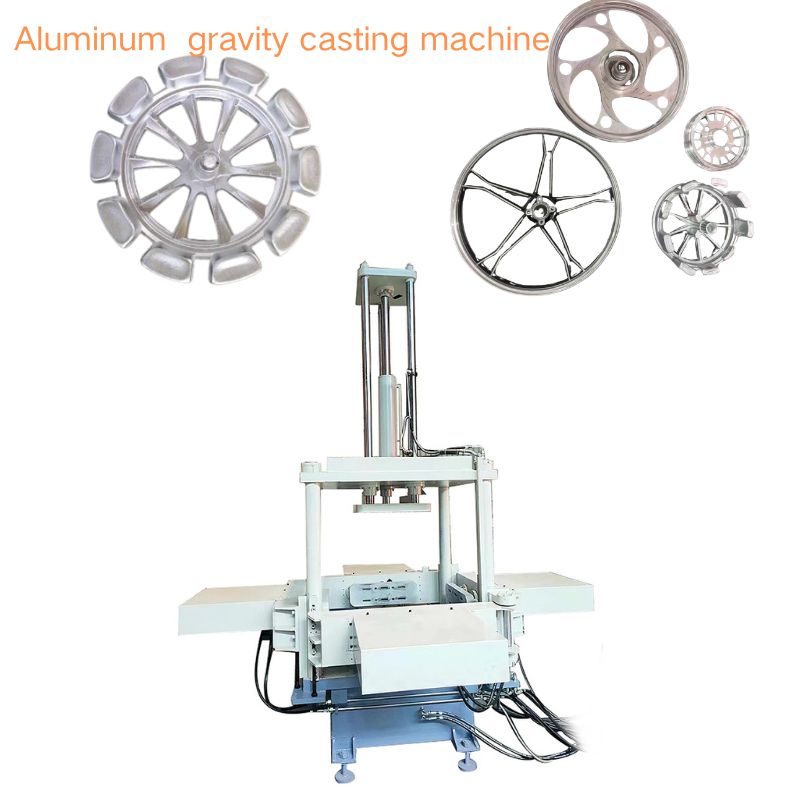
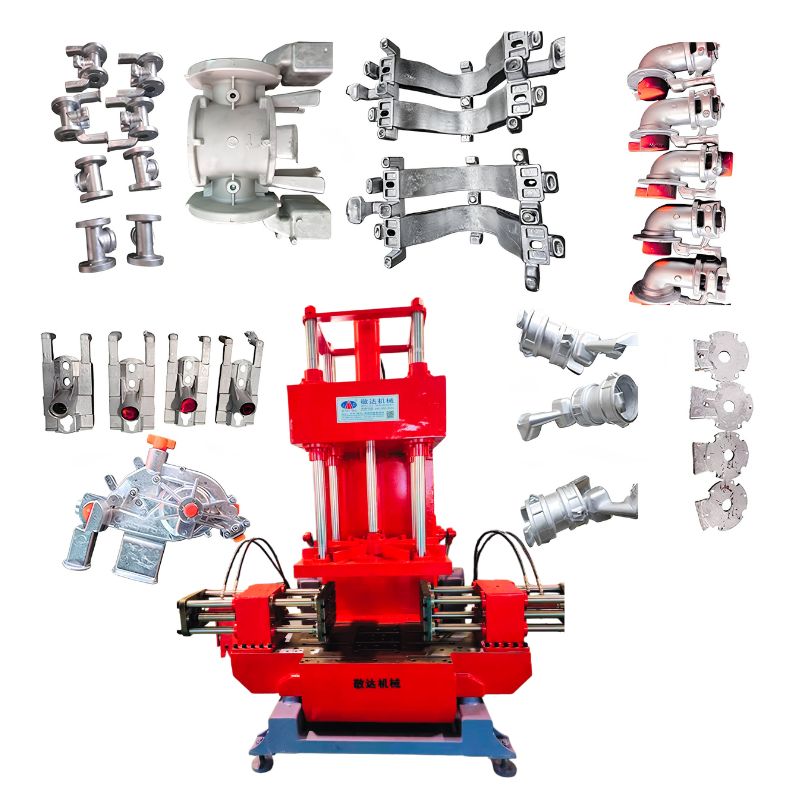
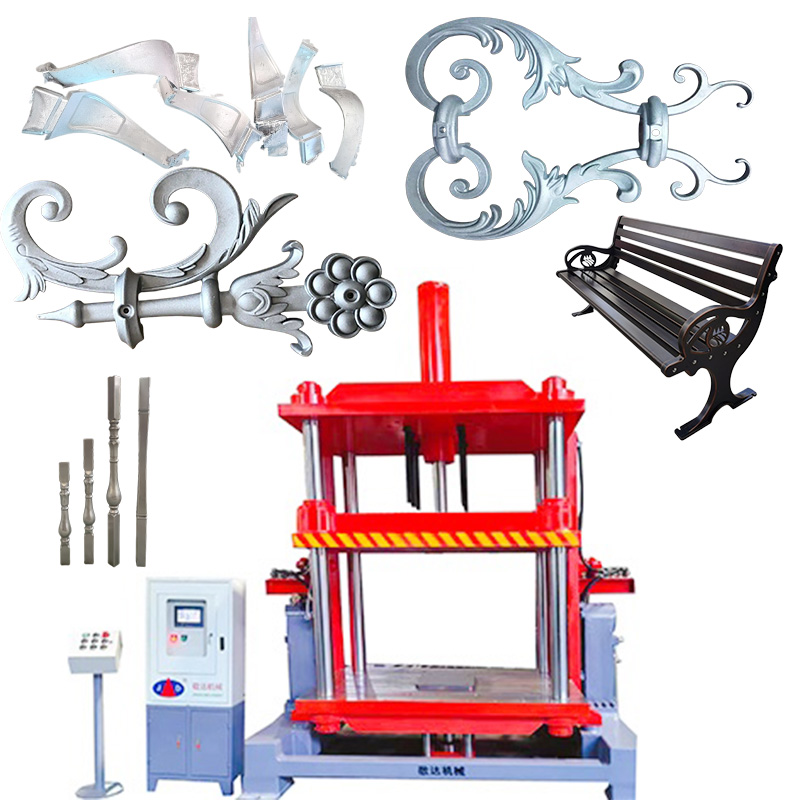
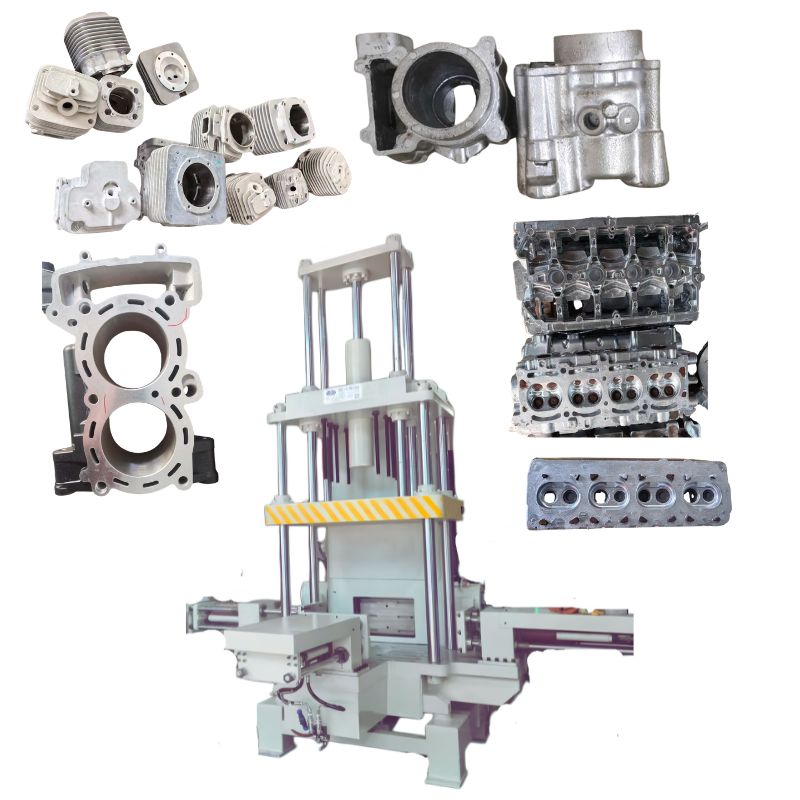
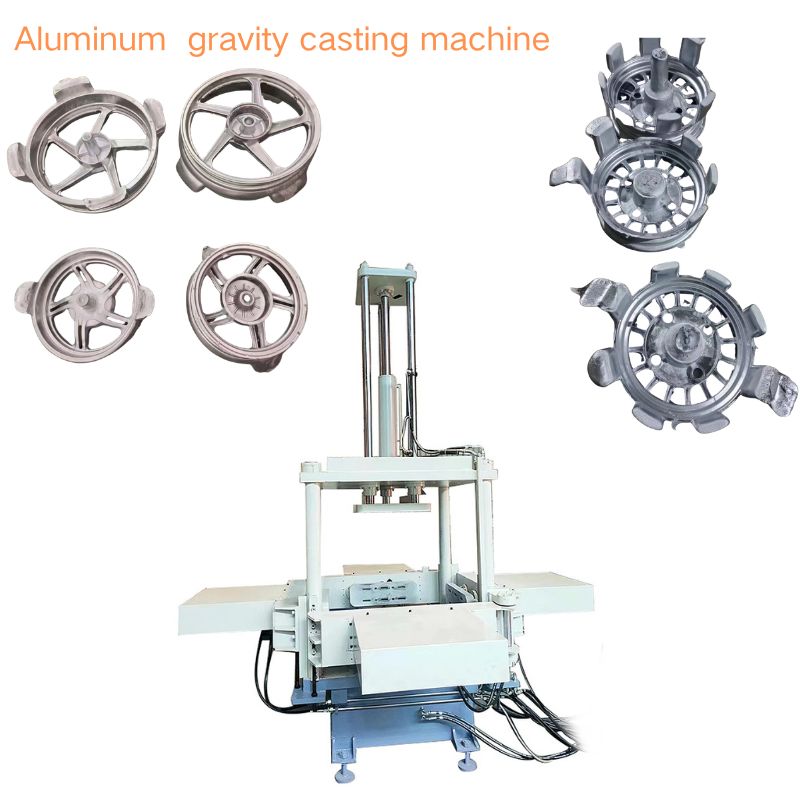
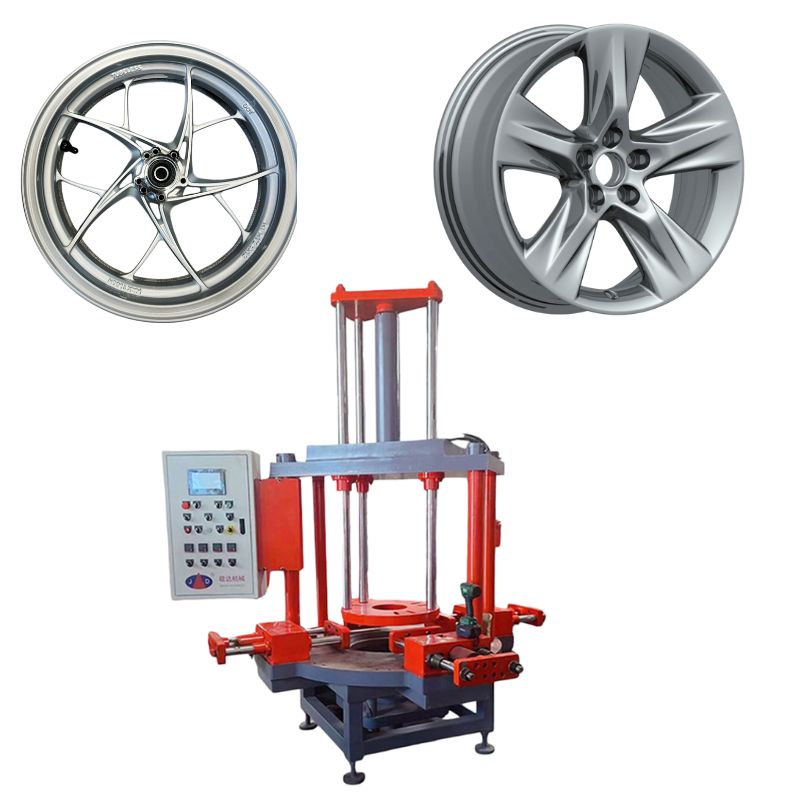
Đúc trọng lực: Phương pháp này dựa vào trọng lực để rót nhôm nóng chảy vào khuôn kim loại, thích hợp cho các sản phẩm đúc cỡ trung bình và nhỏ có hình dạng tương đối phức tạp.
Đúc áp lực: Nhôm nóng chảy được bơm nhanh vào khuôn dưới áp suất cao. Phương pháp này phù hợp cho sản xuất hàng loạt, cho bề mặt hoàn thiện cao và độ chính xác về kích thước.
IV. Làm nguội và tháo khuôn
Sau khi tạo hình, vật đúc cần được làm nguội tự nhiên hoặc làm nguội cưỡng bức để đông đặc dần và đạt trạng thái ổn định. Sau khi nguội, vật đúc được lấy ra khỏi khuôn, và các phần thừa như cửa rót và ống dẫn được loại bỏ.
V. Xử lý sau gia công và kiểm tra chất lượng
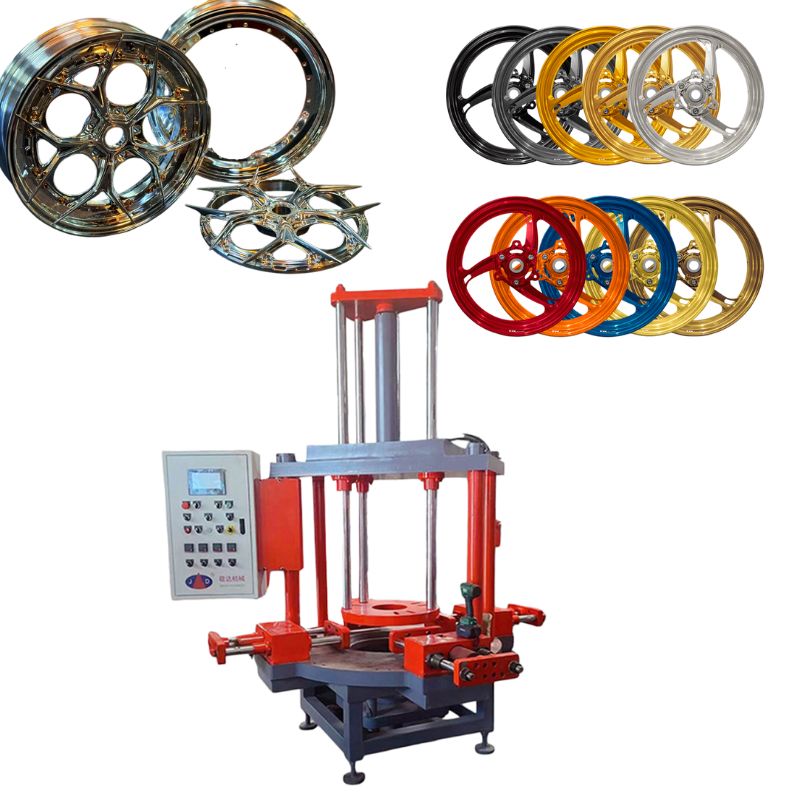
Sau khi tháo khuôn, bề mặt của vật đúc thường có gờ và lớp oxit, cần được đánh bóng và mài nhẵn. Tùy thuộc vào ứng dụng, xử lý nhiệt cũng có thể cần thiết để cải thiện các tính chất cơ học và khả năng chống mài mòn. *** Vật đúc phải trải qua quá trình kiểm tra chất lượng nghiêm ngặt, bao gồm đo kích thước, kiểm tra độ cứng và phát hiện khuyết tật bằng tia X, để đảm bảo đáp ứng các yêu cầu tiêu chuẩn.
VI. Giao hàng thành phẩm
Sau một loạt các công đoạn xử lý và kiểm tra chất lượng, các sản phẩm đúc nhôm đạt tiêu chuẩn sẽ được làm sạch, đóng gói và giao đến tay khách hàng.
Bản tóm tắt
Quy trình sản xuất các sản phẩm đúc nhôm là một quy trình chính xác và có hệ thống. Từ khâu nấu chảy nguyên liệu đến khâu gia công sau đó, mỗi bước đều phải được kiểm soát chặt chẽ để đảm bảo chất lượng sản phẩm đúc đáp ứng yêu cầu. Với sự tiến bộ của công nghệ, việc ứng dụng rộng rãi tự động hóa và thiết bị đúc thông minh sẽ tiếp tục nâng cao hiệu quả và chất lượng sản phẩm đúc nhôm.