

BẠN ĐANG TÌM KIẾM GÌ?
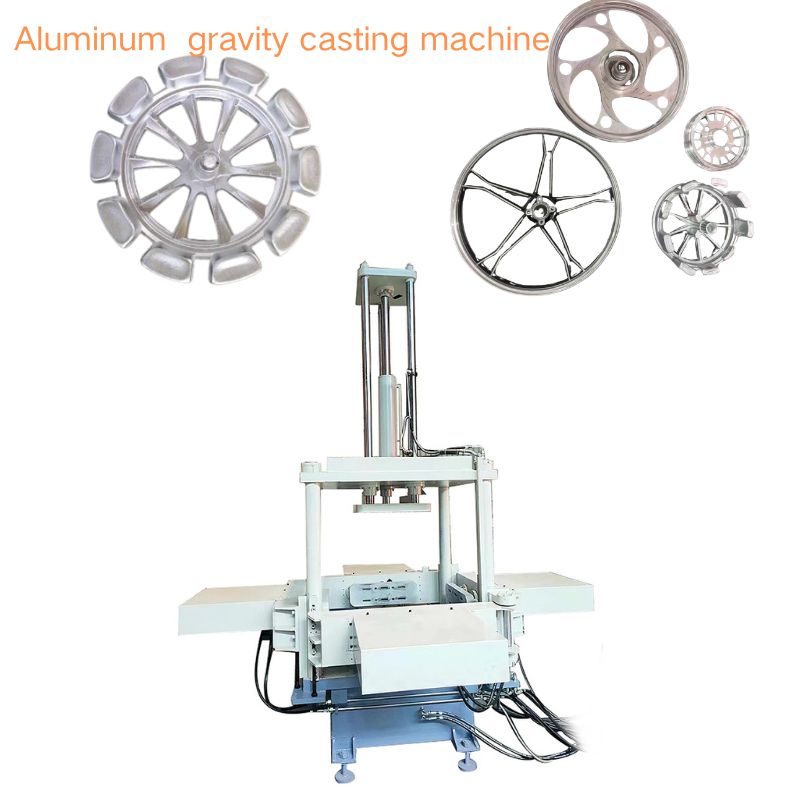
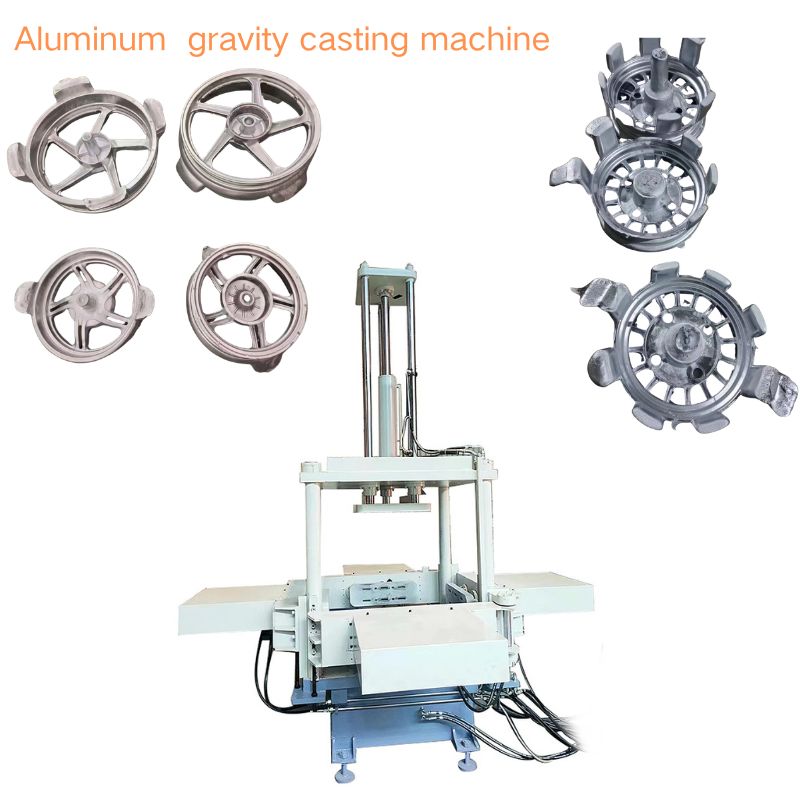
Trong ngành công nghiệp thiết bị đúc – một lĩnh vực đòi hỏi chuyên môn kỹ thuật thực sự – máy đúc trọng lực về nguyên lý có vẻ đơn giản: chúng từ từ nghiêng khuôn, cho phép nhôm nóng chảy lấp đầy khoang khuôn nhờ trọng lượng của chính nó.
Điều gì làm cho máy đúc trọng lực trở nên vượt trội? Tại sao cấu trúc bốn trụ lại là lựa chọn ưu tiên cho việc đúc chất lượng cao? Câu trả lời nằm ở cơ sở kỹ thuật toàn diện.
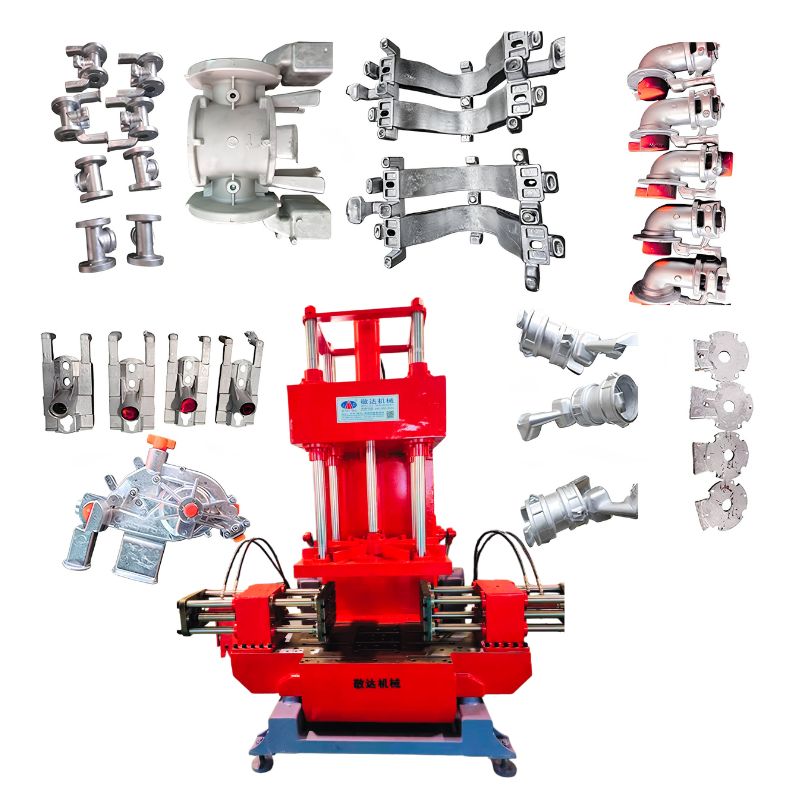
Cấu trúc bốn trụ cột: Sự ổn định là nền tảng của chất lượng đúc.
Tại sao lại cần bốn trụ? Trong quá trình đúc trọng lực, thiết bị phải chịu tác động đồng thời của các lực: trọng lượng của khuôn, tác động của dòng nhôm nóng chảy và ứng suất nhiệt do sự thay đổi nhiệt độ nhanh chóng. Nếu khung không đủ độ cứng, ngay cả rung động nhỏ nhất trong quá trình nghiêng cũng có thể gây ra sự nhiễu loạn trong chất lỏng nóng chảy, dẫn đến các khuyết tật như bọt khí và tạp chất—những khuyết tật thường không được phát hiện cho đến giai đoạn gia công.
Thiết kế bốn trụ sử dụng bố cục đối xứng để phân bổ tải trọng đồng đều, tạo ra một cấu trúc cứng cáp, hình hộp, có khả năng chống lại cả xoắn và uốn. Khung của máy đúc trọng lực Zhongzhou được gia công nguyên khối trên các trung tâm gia công năm trục của chính công ty, đảm bảo độ ổn định vững chắc trong mỗi chu kỳ nghiêng. Đối với các xưởng đúc chuyên về hợp kim nhẹ như nhôm và kẽm, khả năng đảm bảo điền đầy khuôn trơn tru và ổn định này trực tiếp dẫn đến tỷ lệ phế phẩm thấp hơn và sản phẩm đúc đặc hơn, chất lượng cao hơn.
Kiểm soát tốc độ theo từng đoạn: Một quy trình đúc cân bằng
Các máy đúc tiêu chuẩn thường nghiêng với tốc độ không đổi từ đầu đến cuối, trong khi quy trình đổ đầy lý tưởng cần nhịp điệu "chậm-nhanh-chậm". Máy đúc trọng lực Jingda có tốc độ nghiêng điều chỉnh được, theo từng đoạn: khởi động nhẹ nhàng đảm bảo kim loại nóng chảy đi vào cửa rót một cách trơn tru; chuyển động trung gian ổn định đảm bảo đổ đầy khoang khuôn đồng đều; và kết thúc nhẹ nhàng đảm bảo tính toàn vẹn của các cấu trúc thành mỏng.
Khả năng kiểm soát này xuất phát từ việc Jingda Machinery tự phát triển các hệ thống điều khiển và tích lũy dữ liệu quy trình trong hai thập kỷ. Nó chuyển đổi quá trình đúc từ một quá trình phụ thuộc vào kinh nghiệm chủ quan thành một quá trình được điều khiển bởi các thông số chính xác, đảm bảo tiêu chuẩn chất lượng nhất quán ngày này qua ngày khác.
Khả năng sản xuất toàn diện: Không chỉ đơn thuần là đúc khuôn
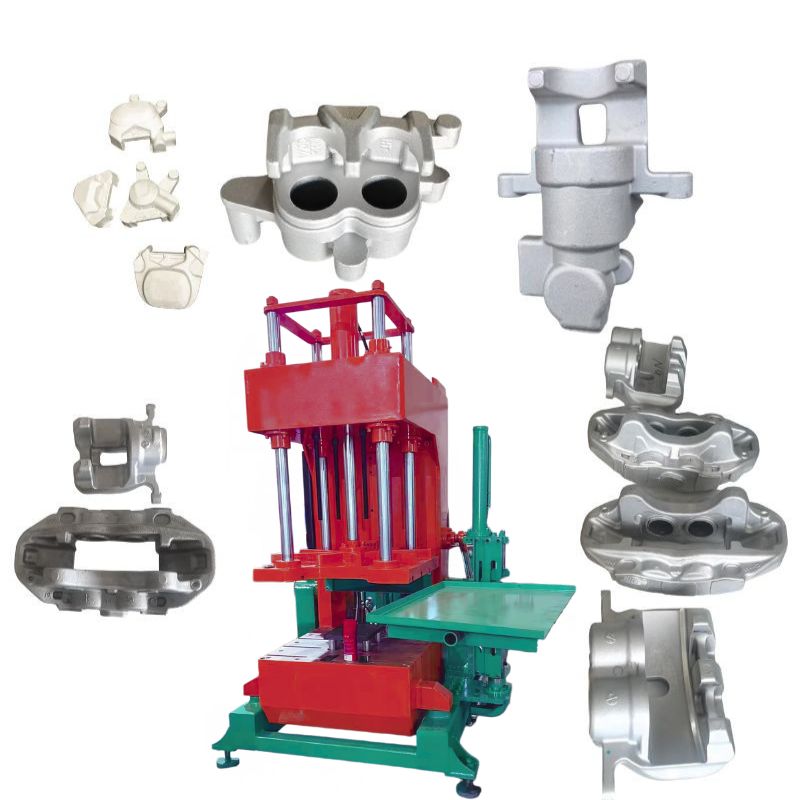
Danh mục sản phẩm của Jingda Machinery không bao giờ là một tập hợp các đơn vị riêng lẻ. Là nhà sản xuất gốc với 20 năm kinh nghiệm trong ngành, xưởng của chúng tôi không chỉ được trang bị máy đúc trọng lực mà còn có máy bắn lõi và máy làm vỏ lõi – tất cả đều hoạt động dưới một hệ thống kiểm soát chất lượng thống nhất.
Hệ thống sưởi và điều khiển nhiệt độ: Sẵn sàng ngay từ đầu
Nếu nhiệt độ khuôn nằm ngoài phạm vi cho phép của quy trình, các sản phẩm đúc ban đầu thường sẽ bị hỏng. Máy đúc trọng lực Jingda tích hợp hệ thống gia nhiệt khuôn và điều khiển nhiệt độ, tự động hóa quá trình gia nhiệt sơ bộ, duy trì nhiệt độ và làm mát. Điều này đảm bảo sản xuất ổn định ngay từ sản phẩm đầu tiên, loại bỏ nhu cầu thực hiện nhiều chu kỳ "làm nóng" khuôn.
An toàn: Ưu tiên hàng đầu ngay từ giai đoạn thiết kế
Với nhiệt độ nhôm nóng chảy vượt quá 700°C, khuôn đúc nặng và các thao tác nghiêng góc rộng, an toàn là điều không thể thiếu. Cấu trúc bốn cột vốn dĩ cung cấp các ranh giới an toàn rõ ràng hơn so với các thiết kế khung mở. Các vỏ bảo vệ, khóa liên động, hệ thống dừng khẩn cấp và van khóa áp suất thủy lực đều được thiết kế để bảo vệ người vận hành mà không ảnh hưởng đến hiệu quả hoạt động.
Là nhà sản xuất xuất khẩu sang hơn 20 quốc gia, thiết kế an toàn thiết bị của Jingda tuân thủ các tiêu chuẩn quốc tế như CE. Khả năng này đã được trau dồi qua hai thập kỷ liên tục cung cấp thiết bị cho khách hàng toàn cầu.
Những loại vật đúc nào phù hợp với phương pháp đúc trọng lực bốn cột?
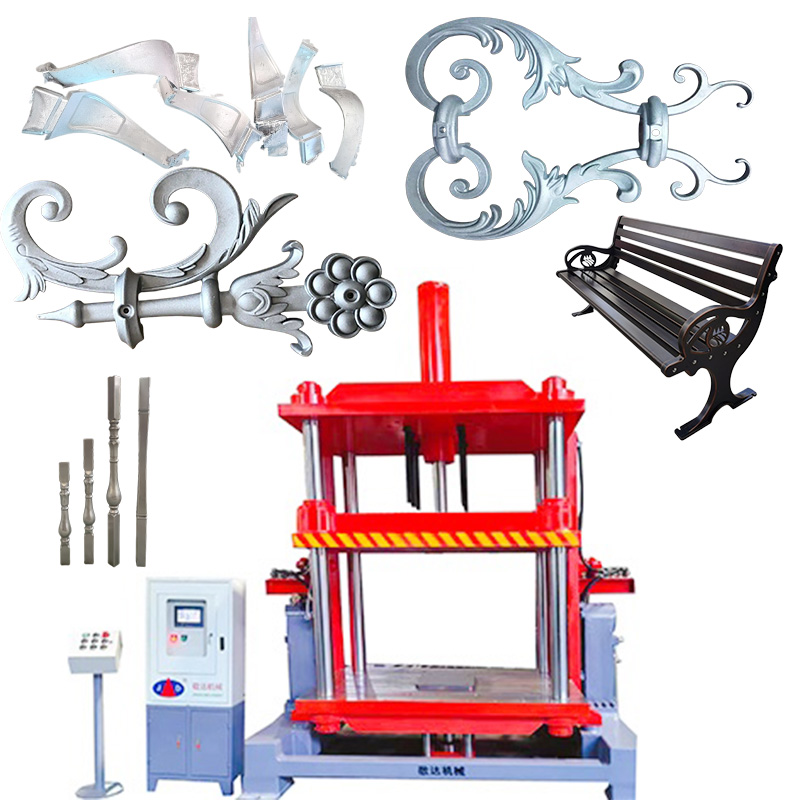
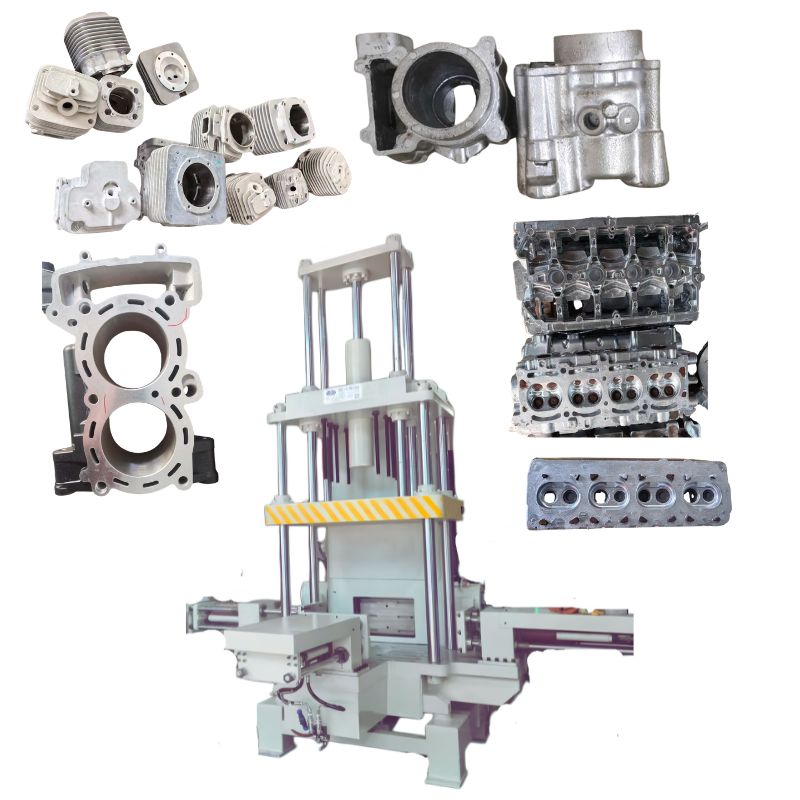
• Các chi tiết đúc kết cấu lớn: Bệ máy công cụ, vỏ bơm lớn và các bộ phận đỡ kết cấu—đòi hỏi độ chính xác về kích thước mặc dù kích thước lớn.
• Các sản phẩm đúc hợp kim nhẹ: Hợp kim nhôm và kẽm rất nhạy cảm với các tạp chất oxit, đòi hỏi quá trình đổ khuôn phải cực kỳ trơn tru.
• Các chi tiết đúc phức tạp có khoang rỗng bên trong (sử dụng lõi cát): Lõi cát dễ bị xê dịch hoặc vỡ, do đó cần rót chậm và đều.
• Các sản phẩm đúc có độ nguyên vẹn cao: Các bộ phận kết cấu ô tô, các bộ phận thủy lực và bình chịu áp lực—đòi hỏi không có sự thỏa hiệp nào về mật độ bên trong.
Phần kết luận
Chất lượng của máy đúc trọng lực cuối cùng được quyết định bởi nhà sản xuất. Với 20 năm phát triển, Jingda Machinery đã khẳng định vị thế là nhà sản xuất hàng đầu về máy đúc trọng lực và máy bắn lõi. Kinh nghiệm tích lũy này được thể hiện trong độ chính xác cấu trúc của mỗi máy, được mã hóa trong từng chương trình điều khiển nghiêng và được phản ánh qua sự tin tưởng của khách hàng tại hơn 20 quốc gia.
Chất lượng đúc bắt đầu từ quá trình rót ổn định. Đạt được sự tưới tiêu ổn định bắt đầu từ việc lựa chọn nhà sản xuất phù hợp ngay từ đầu.